Project Solaris Equipment Rankings
Spend big on Solaris milestones; sift Hom’s random craft pile for passives that fit your QTEs.
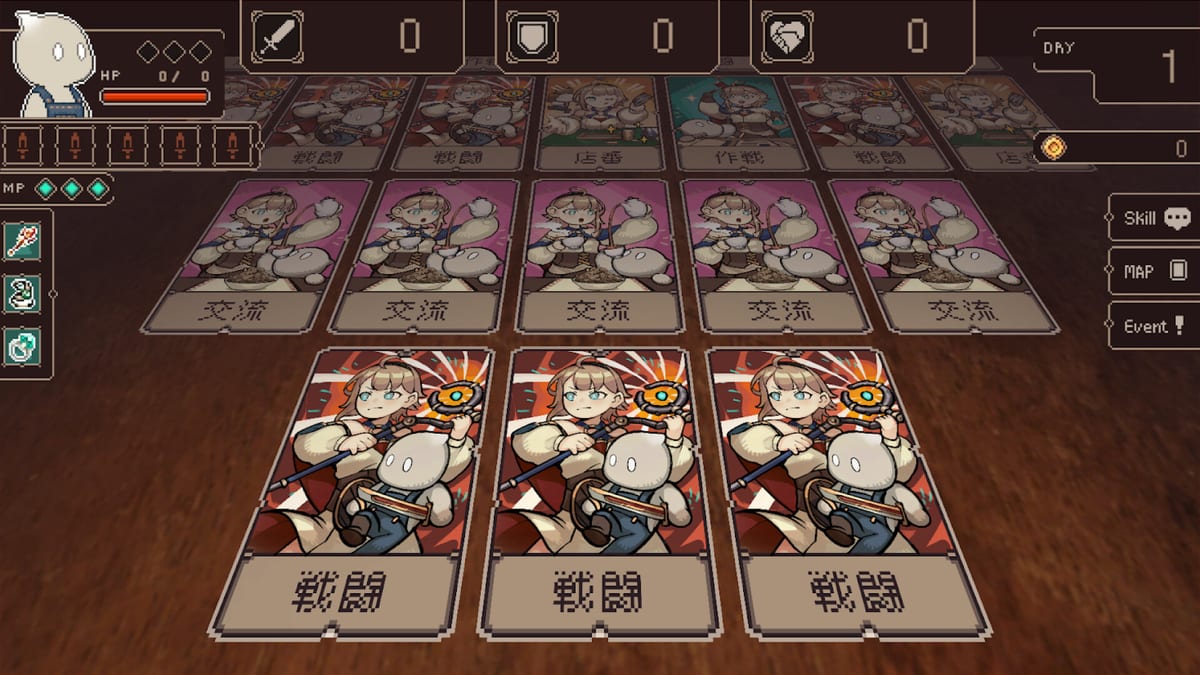
Equipment in Project Solaris splits into two very different economies. Solaris leans on alchemy weapons—costly, deliberate pieces that feel like build milestones. Hom leans on equipment that often arrives as random bulk with passive effects. Ranking gear means ranking investment style, not just item names on a fantasy ladder.
Use this page with Skill rankings so passives match the cards you actually press, and with Beginner builds so money plans support the craft calendar. For character fantasy and combat roles, see Solaris and Hom.
Solaris alchemy weapons: expensive and fixed-feel
Treat Solaris weapons like capital purchases. They consume resources to deliver powerful blows and tend to define how a fight opens or closes. Because they are expensive, their tier is tied to when you can afford them without starving Hom upgrades, skill Development, or shop stock.
High-tier Solaris pieces are the ones that:
- Amplify the skill package you already execute cleanly.
- Solve a recurring Trial problem (slow clears, fragile turns, awkward matchups).
- Stay useful across multiple twenty-day blocks instead of solving one niche fight.
Lower-tier purchases are shiny weapons bought before Trust or skills can use them. A beautiful alchemy option that sits idle while you fail QTEs is a calendar loss, not a flex. If money is tight, delay Solaris shopping until after a shopkeeping burst or a lucrative battle stretch—plan those days in the day planner and any shopkeeping guide on the wiki.
Hom equipment: random bulk with purpose
Hom’s gear is where RNG craft culture lives. You will produce more candidates than perfect pieces. Ranking Hom equipment is really a filtering method:
- Identify the passives your skill deck wants (safer windows, stronger hits, recovery, tempo).
- Craft in bulk when materials and days allow.
- Keep pieces that reinforce your QTE comfort; scrap or ignore flavor mismatches.
- Re-roll your expectations after Trust spikes—some passives only matter once hard skills are online.
Because Hom is the combat agent, a “B-tier” passive that lets you land the skill you love can outrank an “A-tier” passive for a card you never press. Always score Hom gear against the live deck from Skill rankings.
Matching flavor to moveset
Project Solaris rewards coherent fantasy. If your deck is aggressive and timing-heavy, prioritize Hom passives and Solaris weapons that shorten fights or reward clean inputs. If you are playing a Trust-first control style, favor gear that forgives mistakes and stabilizes long Trials.
Flavor matching is not cosplay for its own sake. It reduces decision noise. When every slot points at the same plan, Trials feel like executing a build rather than juggling contradictions. Beginner archetypes on the Beginner builds page already encode this idea—copy their gear posture before inventing hybrids.
Crafting calendar advice
Early block. Craft Hom experiments lightly while you learn which skills stick. Avoid emptying the purse on a premium Solaris weapon before the first Trial unless the demo-to-full muscle memory already proves you need it.
Mid blocks. This is the main craft window. Money rush archetypes intentionally bank shopkeeping days so Solaris milestones and Hom bulk can happen in the same stretch. Reassess after each Trial; do not craft for the last ceremony’s ghost.
Late blocks. Fill gaps, not fantasies. Multiple endings and side stories compete for days—see the supporting cast. A perfect Hom set that costs you a story flag may be the wrong “tier” for your personal goal.
Money, Trust, and gear tiers
Gear tiers move when Trust moves. A weapon that enables a hard skill becomes higher tier after Reliability rises, because the QTE tax drops. Conversely, dumping gold into damage while Trust is low often creates a glass build that looks strong in easy fights and collapses in ceremonies.
Read Hom for the Trust loop and the combat QTE guide for why execution gear matters. The 100-day strategy helps you place craft days where they do not collide with mandatory Trial prep.
Practical ranking bands (launch mindset)
S-priority investments. Solaris weapons that complete your proven loop; Hom passives that directly raise success rate or payoff on your primary skills.
A-priority backups. Gear that covers a known Trial weakness or supports a secondary skill you land reliably.
B-priority experiments. Random Hom crafts worth testing for one block; keep notes, do not marry them.
Hold or skip. Expensive Solaris purchases that require a deck you have not trained, and Hom passives for skills you already cut.
These bands will shift with patches and community discoveries after the September 20, 2026 Steam launch. Prefer the method over frozen letter grades.
Common mistakes
- Buying Solaris prestige gear while Hom still wears mismatched junk.
- Crafting endlessly without a passive wishlist.
- Ignoring shopkeeping until craft prices spike your stress before a Trial.
- Matching gear to a skill you plan to learn “someday” instead of the deck you fight with tonight.
- Forgetting that rest and Trust days can raise effective gear value more than another craft session.
Related pages
Continue with Skill rankings, Beginner builds, and the hub overview at Builds. Character pages for Solaris and Hom explain who each slot is for. Planning tools live under Tools and the day planner.
Frequently Asked Questions
Quick answers for Project Solaris players.
Should I upgrade Solaris or Hom gear first?
Early on, sift Hom passives that help you land skills, then save for a Solaris alchemy weapon that matches the deck you already execute.
How do I handle Hom crafting RNG?
Write a short passive wishlist, craft in bulk when the calendar allows, keep fits, and discard mismatches. Score pieces against your live skill deck.
Why are Solaris weapons ranked so carefully?
They are expensive fixed-feel investments. Buying them before Trust and skills are ready wastes money you need for Trials and Hom experiments.
Where can I plan craft days?
Use the day planner and 100-day strategy pages, and cross-check Beginner builds for money-rush versus Trust-first calendars.